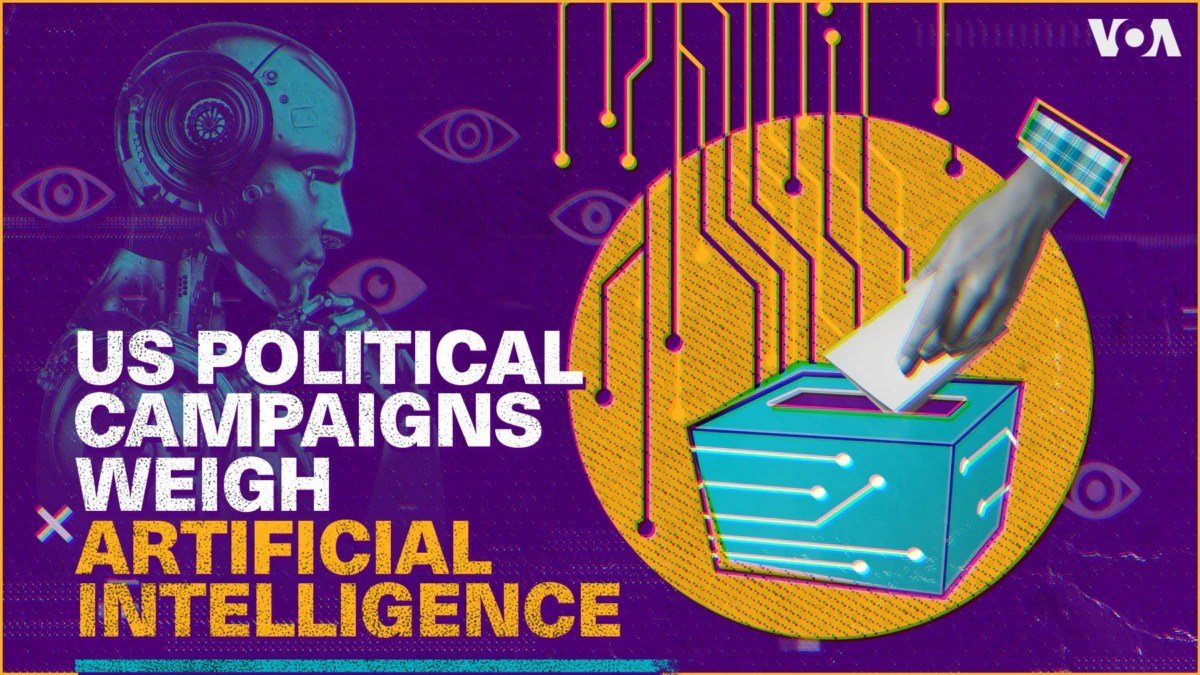
The political landscape is shifting beneath our feet, and a silent, often unseen, force is doing much of the pushing: Artificial Intelligence. The Impact of AI on Political Campaigns and Public Perception isn't some distant future scenario; it's a rapidly unfolding reality that's already reshaping how elections are fought, how messages are crafted, and critically, how citizens perceive their leaders and the democratic process itself. Forget the dystopian movies; the real-world implications are far more nuanced, more immediate, and frankly, more volatile.
We're standing at the precipice of a significant transformation, with the 2026 federal election poised to be a pivotal battleground for AI's influence. Yet, for all its disruptive power, the rules of engagement are virtually non-existent. There’s a glaring lack of regulation, oversight, and safeguards, making the political arena a wild west where anyone with the right tech can experiment with new ways to sway minds and win votes.
At a Glance: AI's Unfiltered Entry into Politics
- No Rulebook Yet: AI's use in politics is largely unregulated, creating an environment ripe for rapid, often unchecked, experimentation.
- Efficiency for Campaigners: Traditional campaigns use AI to supercharge existing tasks like targeted messaging, fundraising, and voter outreach, making them more powerful and accessible.
- Radical Tools for Organizers: Grassroots and advocacy groups are leveraging AI for entirely new forms of collective action, from facilitating deep deliberation to even conceptualizing political movements.
- Citizens as Both Users and Targets: While individuals use AI for self-expression and research, they are also on the receiving end of AI-generated content, with significant implications for how they understand political reality.
- A "Force Multiplier": AI doesn't just add to existing political dynamics; it profoundly amplifies them, making future elections incredibly unpredictable.
- Decisions Made in the Trenches: The adoption of AI in politics is often driven by individual actors and competitive pressures, not necessarily by trust in the technology itself.
- Guardrails are Unlikely Soon: Don't hold your breath for federal regulation. AI companies are rapidly becoming powerful political players themselves, complicating legislative efforts.
The New Political Battleground: AI as a Force Multiplier
Think of AI not just as a tool, but as a "pluripotent force multiplier." That mouthful means the same core technology can have vastly different, sometimes contradictory, impacts depending on who wields it and for what purpose. It's like a powerful engine: in the hands of a responsible driver, it offers efficiency; in the hands of a reckless one, it causes chaos. This inherent versatility makes AI uniquely disruptive in the political sphere.
Without clear rules, this potent force is already shaping political narratives and electoral outcomes. The current regulatory vacuum means those who discover effective AI applications face few obstacles, setting the stage for a period of rapid and potentially destabilizing innovation. This isn't just about speed; it's about the fundamental redefinition of political engagement, from the top echelons of a campaign to the most remote grassroots efforts.
Who's Using AI, and How? A Deep Dive into Political Actors
AI isn't monolithic; its applications vary wildly across the different groups involved in the political process. Understanding these distinct approaches is key to grasping the full scope of its impact.
Campaigners: The Efficiency Playbook
For political campaigns, AI is primarily a massive upgrade to their existing toolkit. Messengers, ad buyers, fundraisers, and strategists are all tapping into AI for efficiency and optimization, streamlining tasks that used to require armies of human volunteers or expensive consultants.
Imagine a world where every donor email feels personally crafted, where every voter outreach message hits exactly the right note, or where advertising dollars are spent with pinpoint accuracy on the most persuadable audiences. AI can personalize emails at a scale previously unimaginable, solicit donations with customized appeals, and target specific demographics with unparalleled precision. This isn't just making traditional electioneering easier; it's making it ubiquitous. Smaller campaigns and challengers, who once struggled to compete with the vast resources of incumbents, can now leverage AI to gain attention and scale their operations much faster.
This rise of AI in campaigning also highlights an interesting economic dynamic: an investment gap exists between Democratic- and Republican-aligned technology innovators, suggesting different trajectories for how each side might adopt and deploy these new capabilities. Regardless of partisan leanings, the drive for efficiency is universal.
Organizers: Beyond Traditional Activism
While campaigners often use AI to do more of what they already do, organizers are exploring more radical, transformative uses. These groups are leveraging AI to facilitate entirely new forms of political engagement and action.
Think about using AI to orchestrate large-scale public deliberation, allowing thousands of citizens to contribute to policy discussions and synthesize complex ideas in real-time. Or consider the hypothetical, but increasingly plausible, scenario of AI-powered tools helping to found and structure entirely new political parties, as illustrated by a 2022 Danish artist collective that used AI to generate policy positions. Labor organizers, for example, are using AI entrepreneurially, both in practical applications and by leveraging its symbolic power. The Screen Actors Guild (SAG-AFTRA) famously highlighted AI displacement concerns during their strike, demonstrating AI's role in negotiations and public perception. Some organizers are even engaging in provocative actions, like hacking "bossware" AI used by employers, turning the tables on surveillance technologies. These innovative applications demonstrate a willingness to push boundaries and redefine the very nature of political mobilization.
Citizens: Empowerment, Expression, and Peril
Citizens, the most numerous actors in any democracy, are interacting with AI in increasingly complex ways. On one hand, AI offers powerful new avenues for self-expression and political participation. Tasks like writing emails to representatives, drafting support statements, or conducting research for local issues can be automated, making civic engagement more accessible and less time-consuming.
However, this automation at scale for specific political ends can be profoundly pernicious. AI is not a neutral arbiter; it’s a reflection of the data it's trained on, and it can amplify existing biases, spread misinformation, and create filter bubbles that further polarize public discourse. The ease with which AI can generate convincing, yet entirely fabricated, content poses a significant threat to trust and shared reality. For a striking example of this challenge, you can Explore the Trump AI generator and see firsthand how AI can be used to create realistic political content that might be difficult to discern from genuine sources.
Yet, citizens aren't just passive recipients of AI's influence. They are also actively using AI to safeguard election integrity. A compelling example comes from Ghana's 2024 presidential election, where civic organizations deployed an AI tool to detect and mitigate electoral issues, demonstrating a proactive approach to using technology for democratic defense. This dual role—as both potential victims and vigilant guardians—underscores the complexity of AI's integration into our democratic lives.
Navigating the Ethical Minefield: Risks and Rewards
The promise of AI in politics is undeniable, but so are its profound risks. Without guardrails, we face a slippery slope where the desire for competitive advantage could override ethical considerations, leading to an erosion of trust and a distortion of political reality.
The Slippery Slope of Persuasion: Deepfakes and Disinformation
Perhaps the most visceral fear surrounding AI is its capacity to generate hyper-realistic synthetic media, colloquially known as deepfakes. Imagine doctored audio or video of a candidate saying something they never said, designed to go viral just days before an election. These tools are becoming increasingly sophisticated and accessible, making it harder for the average person to distinguish truth from fiction. Beyond deepfakes, AI can automate the creation of vast amounts of persuasive, if not outright misleading, content, flooding social media with tailored disinformation campaigns that target individual vulnerabilities.
Erosion of Trust: When Truth Becomes Relative
When citizens can no longer trust what they see or hear from political figures or news sources, the very foundation of public discourse crumbles. AI has the potential to weaponize information, creating echo chambers where personalized narratives reinforce existing beliefs, making genuine dialogue and compromise even more difficult. If every piece of political communication is potentially fabricated or algorithmically manipulated, then skepticism can quickly turn into cynicism, leading to disengagement or, worse, a radicalization based on manufactured realities.
Bias Amplification: AI Is Not Neutral
It's crucial to remember that AI models learn from the data they are fed. If that data reflects existing societal biases—racial, gender, economic, or political—then the AI will amplify and perpetuate those biases in its output. A targeting algorithm trained on historical voting patterns might inadvertently exclude or misrepresent certain demographics. A language model might inadvertently generate text that favors one political ideology over another, simply because of the prevalence of certain viewpoints in its training data. This means AI can deepen existing inequalities and further entrench partisan divides, often without human operators even realizing it.
The Challenge of Oversight: Why Guardrails Are Unlikely
Given the significant risks, you might expect urgent calls for regulation. However, the prospect of Congress or even a future administration like the Trump administration implementing robust guardrails around AI's use in politics is considered unlikely. Why? Part of the answer lies in the rapid emergence of AI companies themselves as significant influencers in Washington. These firms, with their burgeoning lobbying efforts and campaign contributions, have a vested interest in a less regulated environment. Furthermore, the very nature of political competition means that no side wants to unilaterally disarm, making agreement on common standards incredibly difficult. The ultimate effect of AI on elections will therefore largely depend on current experimentation, with those who find effective ways to use the technology facing few impediments to exploiting it.
A Practical Guide for the AI-Aware Citizen and Campaigner
The landscape might be uncertain, but that doesn't mean you're powerless. Whether you're a voter trying to stay informed, or someone involved in the political process, there are concrete steps you can take to navigate the age of AI.
For Voters: Building Your AI Defense Kit
Your first line of defense against AI's potential downsides is an informed, critical mindset.
- Question Your Sources: Don't take content at face value, especially if it elicits a strong emotional reaction. Who created this? What's their agenda? Is it too good (or too bad) to be true?
- Fact-Checking Tools Are Your Friends: Utilize reputable fact-checking websites and organizations. Cross-reference information from multiple, diverse news sources.
- Learn to Recognize the "Uncanny Valley": AI-generated images and videos are improving, but often still have subtle tells—unnatural facial expressions, strange hand configurations, inconsistent lighting, or bizarre vocal inflections. Train your eye and ear.
- Understand Data Privacy: Be aware of what data you share online. The more data available about you, the easier it is for AI-driven campaigns to target and potentially manipulate you. Review your privacy settings on social media and other platforms.
- Seek Diverse Perspectives: Actively consume news and opinions from beyond your usual comfort zone. AI algorithms often optimize for engagement, which can lead to echo chambers. Break out of them intentionally.
For Campaigns: Responsible AI Adoption
While the competitive pressure to adopt AI is immense, ethical considerations should remain paramount. Prioritizing short-term gains over long-term trust can backfire spectacularly.
- Transparency is Key: Be upfront with voters about how you're using AI. If you're using AI to draft emails, generate content, or target ads, disclose it clearly. This builds trust, especially in an unregulated environment.
- Develop Ethical Guidelines: Before deploying any AI tool, establish clear internal rules for its use. What data will you feed it? How will you ensure it's not perpetuating bias? What are the red lines you won't cross (e.g., deepfakes, micro-targeting based on sensitive personal data)?
- Human Oversight is Crucial: AI should augment humans, not replace critical human judgment. Every AI-generated message, image, or targeting decision should have a human review and approval process.
- Prioritize Truth Over Virality: AI is excellent at optimizing for engagement, but engagement isn't always synonymous with truth. Resist the temptation to use AI to create sensational or misleading content, even if it promises high reach.
- Avoid Black Box Algorithms: Understand how your AI tools make decisions. If you can't explain why an AI generated a particular outcome or targeted a specific group, you've lost control and accountability.
For Organizers: Harnessing AI for Good
Organizers are uniquely positioned to leverage AI's transformative potential for positive democratic change, moving beyond mere efficiency.
- Facilitate Genuine Deliberation: Use AI to analyze large amounts of public input, identify common themes, surface overlooked perspectives, and even draft policy proposals based on collective wisdom, rather than just polling.
- Protect Privacy in AI-Driven Organizing: When collecting and processing data on community members or potential activists, build in robust privacy protections from the outset. AI tools can be designed with privacy-by-design principles.
- Amplify Underrepresented Voices: AI can help analyze qualitative data from diverse communities, ensuring that the concerns and ideas of marginalized groups are not overlooked in policy formulation or advocacy campaigns. It can also help translate messages into multiple languages instantly, broadening reach.
The Unpredictable Future: What's Next for AI in Politics?
The interactions and unstable dynamics of these various AI uses—by campaigners, organizers, citizens, and eventually governments—will undoubtedly make future elections more unpredictable. We're in a phase of intense experimentation, where the ultimate effect of AI on elections will depend largely on who finds effective ways to use the technology, and how quickly those methods spread.
It's clear that the competitive nature of politics, combined with the lack of regulatory friction, means that early adopters and those willing to innovate aggressively will gain significant advantages. This isn't just about winning an election; it's about potentially redefining political power itself. The rapid evolution of AI means that what's cutting-edge today could be obsolete tomorrow, demanding continuous learning and adaptation from all political actors.
Cultivating Digital Savvy in a Post-AI World
The advent of AI in politics demands more than just awareness; it calls for active engagement. We must all cultivate a higher degree of digital savvy, not just to protect ourselves from potential manipulation, but to thoughtfully participate in shaping how these powerful tools are used in our democracy. Demand transparency from political entities about their AI use. Support initiatives that advocate for ethical AI development and deployment. Most importantly, remain critically engaged with the information you consume and the political process itself. The future of democratic discourse in the age of AI isn't predetermined; it will be built, day by day, by the choices we make now.